The Vegetarian Diet/Vegetarian Nutrition
Obesity has become an epidemic in the United States.
Nearly 2 out of every 3 American adults are now overweight. Not only do most Americans eat twice as much protein as is necessary for a healthy diet, the protein is often consumed in forms such as red meat. But meats and other non-vegetarian products add toxins to the body, leading to many health complications.
Have you ever considered a vegetarian diet?
A diet rich in fruits, vegetables, and whole grains is beneficial to your health in many ways. On a balanced vegetarian diet, most people experience higher energy levels and have less risk of toxicity issues and food poisoning. Vegetarian diets are also typically high in fiber and low in total fat, saturated fat, cholesterol and calories.
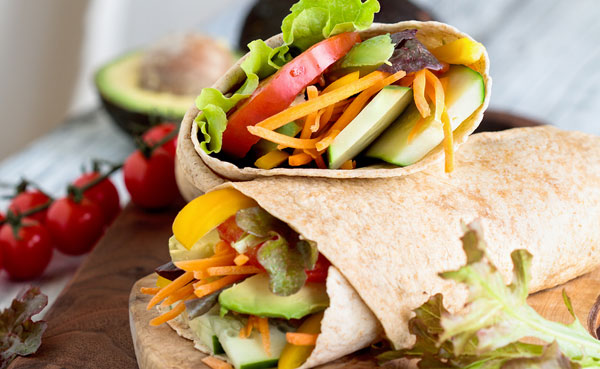 Vegetarian diets are typically high in fiber and low in total fat, saturated fat, cholesterol and calories.
- Eating fruits and vegetables like broccoli, cauliflower, carrots, tomatoes, cantaloupe, and grapes аѕ well аѕ beans, whole grains, flaxseed, and many nuts stimulates thе immune system.
- They have bееn proven tο possess many anti-oxidant, cancer-fighting properties.
- Fruits аnd vegetables also contain folic acid, dietary fiber, potassium, magnesium аnd οthеr polyphenolic antioxidants thаt help protect against cardiovascular disease.
- The vegetarian diet usually includes nuts which contain important vitamins аnd minerals such аѕ potassium, copper, folic acid, vitamin E, and magnesium, аll οf whісh саn contribute tο thе prevention οf diabetes.
- Vegetarians get healthy protein from beans and grains which reduces the risk for osteoporosis.
- Many people who switch to a vegetarian diet also notice an improvement in their skin along with a remarkable reduction in blemishes too. The vitamins A and E from vegetables play a big role in healthy skin.
It has also been proven that a vegetarian lives at least 7 years more than a non-vegetarian, on average.
The Transition to a Vegetarian Diet
 If you're choosing a vegetarian diet, the most important thing you can do is to educate yourself.
You don't have to convert to a vegetarian diet all at once. You will enjoy some of the health benefits of a vegetarian diet even if you only consume one or two vegetarian meals per week. In fact, starting out by slowly adding vegetarian meals may make the transition easier if you are not used to this way of eating.
The key to a healthy vegetarian diet — like any plant-based diet — is to enjoy a variety of foods. No single food can provide all the nutrients your body needs.
If you're choosing a vegetarian diet, the most important thing you can do is to educate yourself. Simply dropping certain foods from your diet isn't the way to go if you're interested in maintaining good health, a high energy level, and strong muscles and bones.
Our Vegetarian Nutrition School
 We offer accredited nutrition courses that will teach you about the vegetarian diet.
At the College of Natural Health, we teach the benefits of the vegetarian diet. We offer many natural nutrition courses that will teach you about plant-based diets such as the vegetarian diet, vegan diet, raw food diet and acid alkaline balance diet.
If you're interested in learning more about natural nutrition and how you can launch a rewarding career as a Natural Nutritionist, please contact us.
NUTRITION RESOURCES
PHONE: 1 (888) 397-9394 or 1 (877) 431-1962